

Introduction: Why 2026 Is a Turning Point for Home Solar
A few years ago, I helped a close friend install solar panels on their family home. At the time, it felt like a bold decision—panels weren’t cheap, and the payback seemed distant. Fast forward to today, and they haven’t worried about rising electricity bills in years. As we step into 2026, solar panel installation has shifted from a “nice-to-have” upgrade to a practical, future-ready choice for families.
Energy prices are volatile, climate concerns are growing, and solar technology has matured rapidly. What once required complex calculations and hefty investments is now simpler, smarter, and more affordable. This guide breaks down what home and family solar looks like in 2026—without jargon, hype, or recycled advice.
The Evolution of Solar Panel Installation (2020–2026)
From Early Adoption to Mainstream Choice
In the early 2020s, solar was driven mainly by environmentally conscious homeowners. Today, families choose solar for three core reasons:
- Predictable energy costs
- Long-term savings
- Energy independence
Thanks to improved manufacturing, panel efficiency has increased by 20–30% compared to earlier models, according to insights from the International Energy Agency. That means fewer panels can now power an entire household.
What’s New in 2026?
- High-efficiency bifacial panels that capture sunlight from both sides
- AI-powered energy monitoring for smarter consumption
- Seamless battery integration for nighttime and outage protection
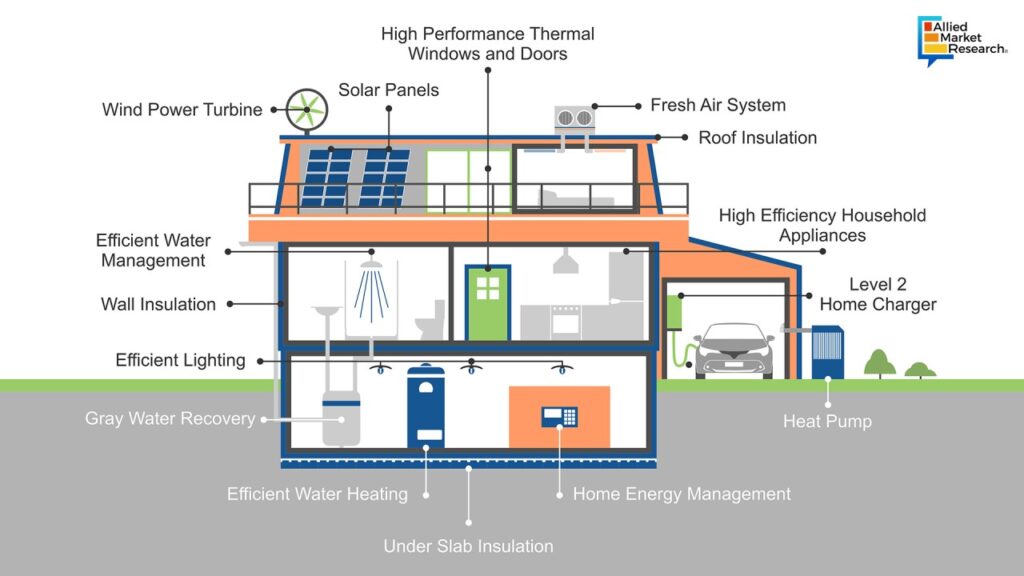
Solar panel installation today is no longer just about panels—it’s about building a home energy ecosystem.
Solar Panel Installation for Families: Then vs. Now
| Feature | Early 2020s | 2026 |
|---|---|---|
| Panel Efficiency | 15–18% | 22–25% |
| Installation Time | 2–3 weeks | 1–3 days |
| Average ROI Period | 8–10 years | 4–6 years |
| Battery Adoption | Optional luxury | Common standard |
| Monitoring | Manual apps | AI-driven automation |
This shift explains why families with kids, home offices, and EVs are leading solar adoption today.
Key Benefits of Solar Panel Installation for Homes
1. Long-Term Cost Savings
Once installed, solar panels can reduce electricity bills by 60–90% depending on location and usage. Many families use savings for:
- Education expenses
- Home upgrades
- Emergency funds
According to the U.S. Department of Energy, most homeowners break even within five years—after that, it’s nearly free power.
2. Energy Stability for Growing Families
Kids at home mean higher energy use—laundry, devices, heating, cooling. Solar gives families predictable monthly costs, protecting budgets from energy price spikes.
3. Increased Property Value
Homes with solar systems consistently sell faster and at higher prices. Buyers see solar as a built-in upgrade, similar to a renovated kitchen—but with ongoing savings.
Understanding the Solar Panel Installation Process
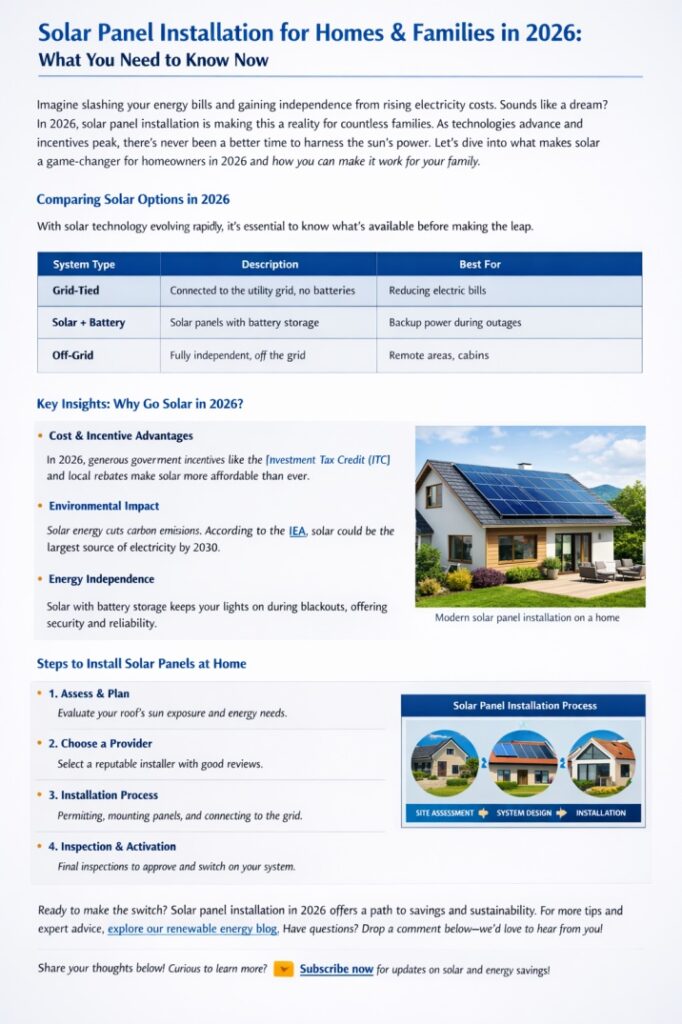
Step-by-Step Breakdown
Home Assessment
- Roof condition, sun exposure, and orientation
- Electrical system compatibility
System Design
- Customized layout based on family energy needs
- Battery and EV charger planning
Permits & Approvals
- Handled mostly by installers in 2026
- Faster approvals through digital permitting
Installation & Activation
- Typically completed within 48 hours
- System goes live after inspection
Modern solar panel installation is smoother than most home renovations—and far less disruptive.
Choosing the Right Solar Setup for Your Family
Panel Types Explained
| Panel Type | Best For | Key Advantage |
|---|---|---|
| Monocrystalline | Small roofs | Highest efficiency |
| Polycrystalline | Larger roofs | Budget-friendly |
| Thin-Film | Unique designs | Lightweight & flexible |
Battery Storage: Is It Worth It?
In 2026, batteries are becoming standard. They allow families to:
- Store excess energy
- Use solar power at night
- Stay powered during outages
Popular options like Tesla Powerwall and LG Energy Solution systems integrate seamlessly with modern solar installations.
Solar Incentives & Financing Options in 2026
Government & Utility Programs
Many regions still offer tax credits and rebates. For example, homeowners in the U.S. can explore federal incentives outlined on Energy.gov.
Flexible Payment Models
- Solar loans with low interest rates
- Leasing options for lower upfront costs
- Power Purchase Agreements (PPAs)
Families now choose solar without draining savings—monthly payments often replace traditional electricity bills.
Common Myths About Solar Panel Installation
“Solar Doesn’t Work in Cloudy Areas”
False. Panels still generate energy from diffused sunlight, making them effective even in less sunny regions.
“Maintenance Is Complicated”
Reality: Solar systems require minimal upkeep—occasional cleaning and annual inspections.
“It’s Only for Large Homes”
Modern systems scale easily. Even small family homes benefit from customized installations.
Real-Life Family Insight: A Personal Perspective
One family I worked with installed solar panels just before their second child arrived. Their energy use jumped—heating, washing, working from home—but their bills stayed flat. The peace of mind, especially during grid outages, became their biggest win.
That’s the human side of solar panel installation—it’s not just energy; it’s stability.
Environmental Impact: Teaching the Next Generation
Solar helps families lower their carbon footprint while teaching kids about sustainability through daily life. Many parents say their children become more energy-aware simply by seeing how solar works.
Is Solar Panel Installation Right for You in 2026?
Ask yourself:
- Do you plan to stay in your home 5+ years?
- Are energy costs rising in your area?
- Do you value independence and sustainability?
If yes, solar is likely a strong fit.
Conclusion: A Smarter Way to Power Family Life
In 2026, solar panel installation is no longer about chasing trends—it’s about making thoughtful, long-term choices for your family’s future. With better technology, easier financing, and real-world benefits, solar has become one of the most practical home upgrades available today.
Call-to-Action
Thinking about solar for your home?
- Explore local installers, compare quotes, and talk with families who’ve already made the switch.
- Share your thoughts or questions in the comments—we’d love to hear your perspective.
- Subscribe for more future-focused home energy insights.